
FastAPI 待办事项API实战:从零构建CRUD路由
2025.09.23 11:56浏览量:1简介:本文通过实战案例,详细讲解如何使用FastAPI框架快速开发一个支持增删改查(CRUD)的待办事项Web API项目,涵盖路由设计、数据模型、依赖注入及测试全流程。
FastAPI 待办事项API实战:从零构建CRUD路由
一、FastAPI框架优势与待办事项API场景
FastAPI作为基于Python的现代Web框架,凭借其自动生成OpenAPI文档、类型注解支持、异步请求处理等特性,成为开发高性能API的首选。在待办事项管理场景中,用户需要通过API实现任务创建、读取、更新和删除等操作,这对路由设计的清晰性和数据验证的严谨性提出了高要求。
以一个典型待办事项应用为例,用户可能通过移动端或Web前端提交任务数据,后端API需确保数据完整性(如必填字段、日期格式)并返回标准化响应。FastAPI的Body验证和Path参数解析功能可高效处理这类需求,同时其内置的ASGI服务器支持高并发请求。
二、项目初始化与依赖配置
1. 环境搭建
使用Python 3.8+环境,通过pip install fastapi uvicorn安装核心依赖。推荐创建虚拟环境隔离项目依赖:
python -m venv venvsource venv/bin/activate # Linux/Macvenv\Scripts\activate # Windows
2. 项目结构
采用分层架构设计:
todo_api/├── main.py # 入口文件├── models.py # 数据模型├── schemas.py # 请求/响应模型├── crud.py # 数据操作逻辑└── tests/ # 测试用例
3. 基础路由设置
在main.py中初始化FastAPI应用,并添加根路由测试接口:
from fastapi import FastAPIapp = FastAPI()@app.get("/")async def read_root():return {"message": "待办事项API服务已启动"}
三、数据模型与请求验证
1. Pydantic模型定义
在schemas.py中定义任务数据的请求/响应模型,利用Pydantic的验证机制确保数据合法性:
from pydantic import BaseModel, Fieldfrom datetime import dateclass TodoCreate(BaseModel):title: str = Field(..., min_length=3, max_length=50)description: str | None = Field(None, max_length=200)due_date: date | None = Nonepriority: int = Field(1, ge=1, le=5) # 1-5级优先级class TodoUpdate(BaseModel):title: str | None = Nonedescription: str | None = Nonedue_date: date | None = Nonepriority: int | None = Noneis_completed: bool | None = Noneclass TodoResponse(TodoCreate):id: intis_completed: bool = False
2. 内存数据存储
为简化演示,使用字典模拟数据库存储(实际项目可替换为SQLAlchemy或Tortoise-ORM):
# crud.pyfrom typing import Dict, Listfrom schemas import TodoCreate, TodoUpdate, TodoResponsedb: Dict[int, TodoResponse] = {}next_id = 1def get_todos() -> List[TodoResponse]:return list(db.values())def create_todo(todo: TodoCreate) -> TodoResponse:global next_idnew_todo = TodoResponse(id=next_id, **todo.dict())db[next_id] = new_todonext_id += 1return new_todo# 其他CRUD函数...
四、CRUD路由实现详解
1. 创建任务(POST /todos/)
from fastapi import APIRouter, HTTPExceptionfrom schemas import TodoCreate, TodoResponseimport crudrouter = APIRouter()@router.post("/", response_model=TodoResponse)async def create_todo(todo: TodoCreate):try:return crud.create_todo(todo)except Exception as e:raise HTTPException(status_code=400, detail=str(e))
关键点:
- 使用
response_model自动序列化响应 - 通过
HTTPException处理业务异常 - 请求体自动由Pydantic模型验证
2. 查询任务(GET /todos/ 与 GET /todos/{id})
@router.get("/")async def read_todos():return {"todos": crud.get_todos()}@router.get("/{todo_id}", response_model=TodoResponse)async def read_todo(todo_id: int):if todo_id not in crud.db:raise HTTPException(status_code=404, detail="任务未找到")return crud.db[todo_id]
优化实践:
- 添加分页参数:
limit: int = 10,offset: int = 0 - 支持按状态过滤:
completed: bool | None = None
3. 更新任务(PUT /todos/{id})
@router.put("/{todo_id}", response_model=TodoResponse)async def update_todo(todo_id: int, todo_update: TodoUpdate):if todo_id not in crud.db:raise HTTPException(404)todo = crud.db[todo_id]update_data = todo_update.dict(exclude_unset=True)updated_todo = todo.copy(update=update_data)crud.db[todo_id] = updated_todoreturn updated_todo
技术要点:
exclude_unset=True避免覆盖未修改字段- 使用字典的
copy(update=)方法实现部分更新
4. 删除任务(DELETE /todos/{id})
@router.delete("/{todo_id}")async def delete_todo(todo_id: int):if todo_id not in crud.db:raise HTTPException(404)del crud.db[todo_id]return {"message": "任务删除成功"}
安全建议:
- 添加权限验证中间件
- 软删除替代物理删除(标记
is_deleted字段)
五、路由整合与启动服务
在main.py中整合路由并启动服务:
from fastapi import FastAPIfrom todo_router import router as todo_routerapp = FastAPI()app.include_router(todo_router, prefix="/todos", tags=["待办事项"])if __name__ == "__main__":import uvicornuvicorn.run(app, host="0.0.0.0", port=8000)
启动参数说明:
--reload:开发模式自动重载--workers 4:生产环境多进程配置
六、API测试与文档验证
1. 自动生成OpenAPI文档
访问http://localhost:8000/docs,Swagger UI提供交互式测试界面: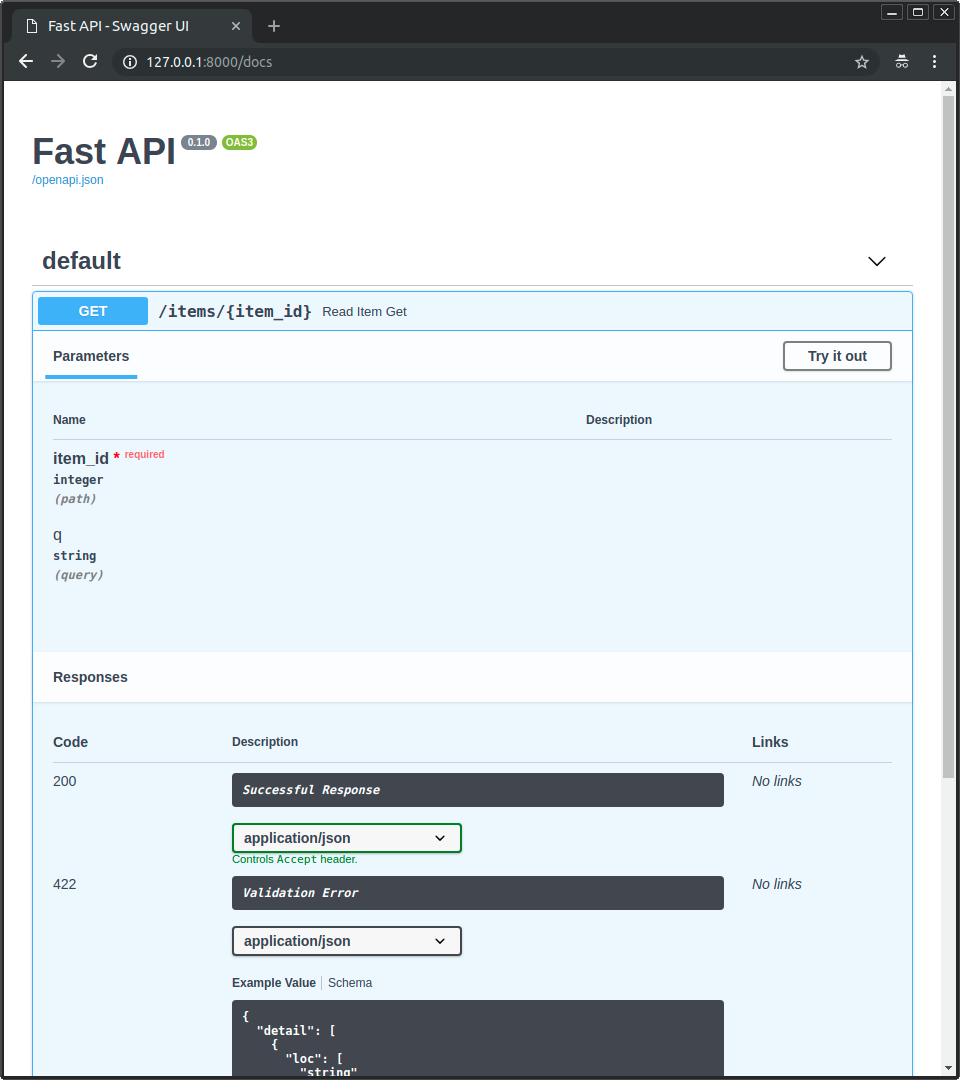
2. 使用HTTPie测试
# 创建任务http POST :8000/todos/ title="学习FastAPI" priority=3# 查询所有任务http GET :8000/todos/# 更新任务http PUT :8000/todos/1 is_completed=true
3. 单元测试示例
在tests/test_todo.py中编写pytest用例:
from fastapi.testclient import TestClientfrom main import appclient = TestClient(app)def test_create_todo():response = client.post("/todos/", json={"title": "测试任务","priority": 2})assert response.status_code == 200assert "id" in response.json()
七、进阶优化方向
- 持久化存储:集成SQLite或PostgreSQL
- 认证授权:添加JWT或OAuth2.0支持
- 异步处理:使用
async/await优化IO操作 - 性能监控:集成Prometheus指标收集
- API版本控制:通过路由前缀实现
/v1/todos/
八、完整代码示例
# main.py 完整示例from fastapi import FastAPI, HTTPExceptionfrom pydantic import BaseModelfrom typing import Dict, Optionalfrom datetime import dateapp = FastAPI()class Todo(BaseModel):title: strdescription: Optional[str] = Nonedue_date: Optional[date] = Nonepriority: int = 1is_completed: bool = Falsedb: Dict[int, Todo] = {}next_id = 1@app.post("/todos/")async def create_todo(todo: Todo):global next_idtodo_dict = todo.dict()todo_dict["id"] = next_iddb[next_id] = Todo(**todo_dict)next_id += 1return todo_dict@app.get("/todos/{todo_id}")async def get_todo(todo_id: int):if todo_id not in db:raise HTTPException(404, "任务不存在")return db[todo_id]# 其他路由实现...
通过以上步骤,开发者可快速构建一个功能完整的待办事项API服务。FastAPI的强类型支持和自动化工具链能显著提升开发效率,建议结合实际业务需求逐步扩展功能模块。

发表评论
登录后可评论,请前往 登录 或 注册